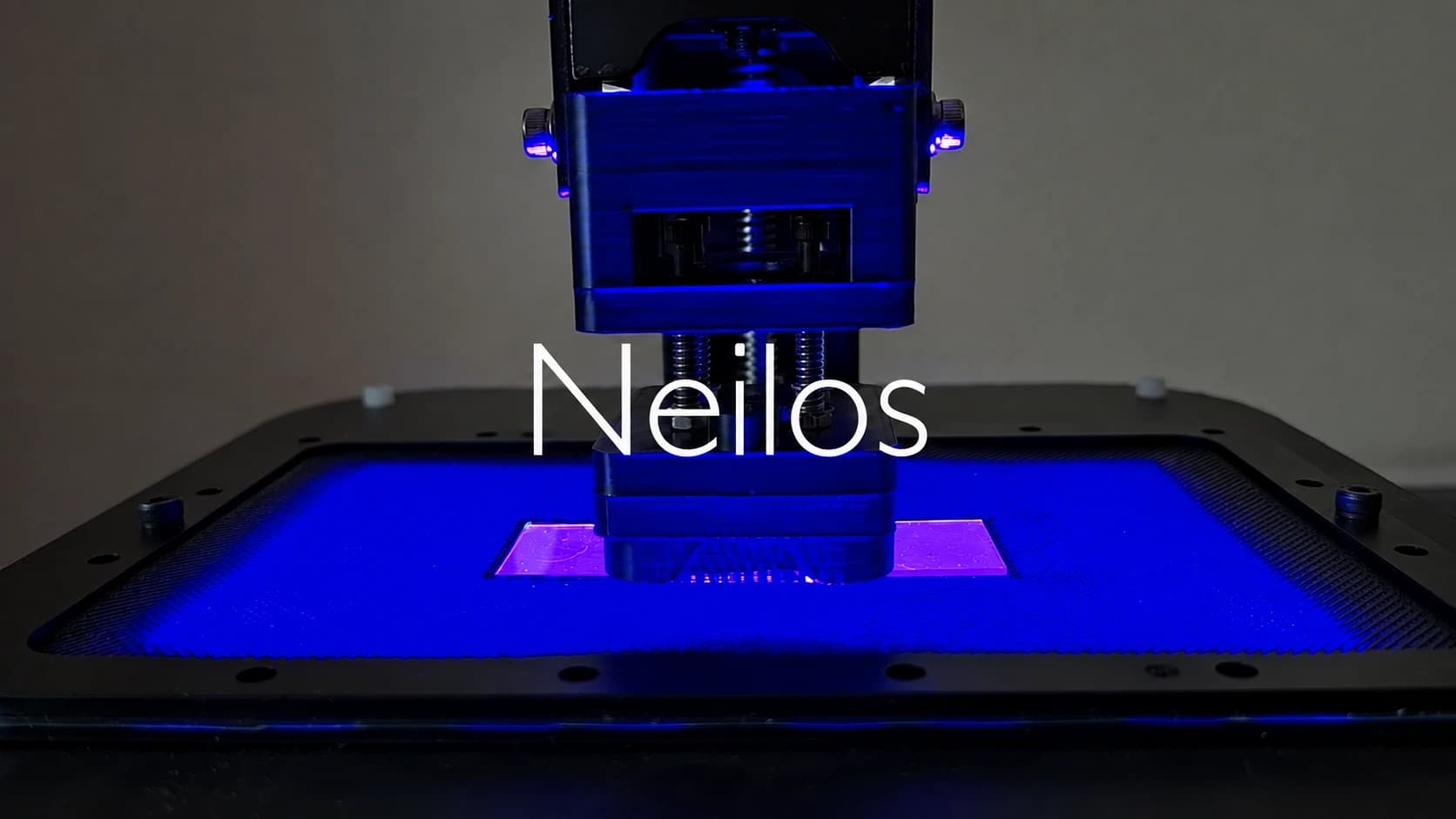
How nanoimprint lithography works
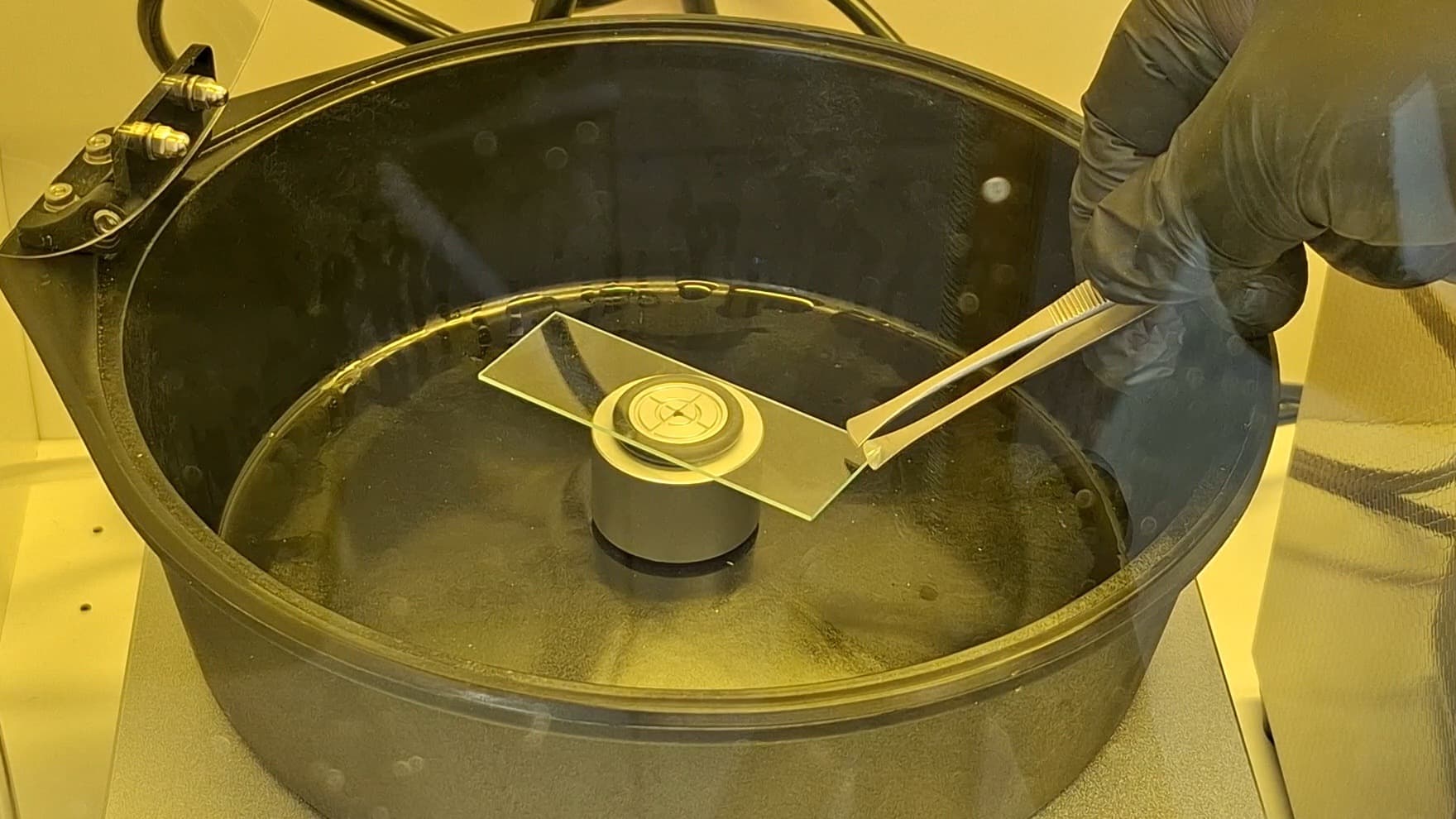
Nanoimprint lithography (NIL) is a way to replicate micro- and nanostructures, similar to making a printed impression. First, a thin, uniform layer of liquid polymer, the resist, is applied to a substrate in a spin coater. A stamp carrying the desired relief is then pressed into it, and the resist is cured with ultraviolet light. Once the stamp is removed, an exact copy of the relief remains on the substrate.
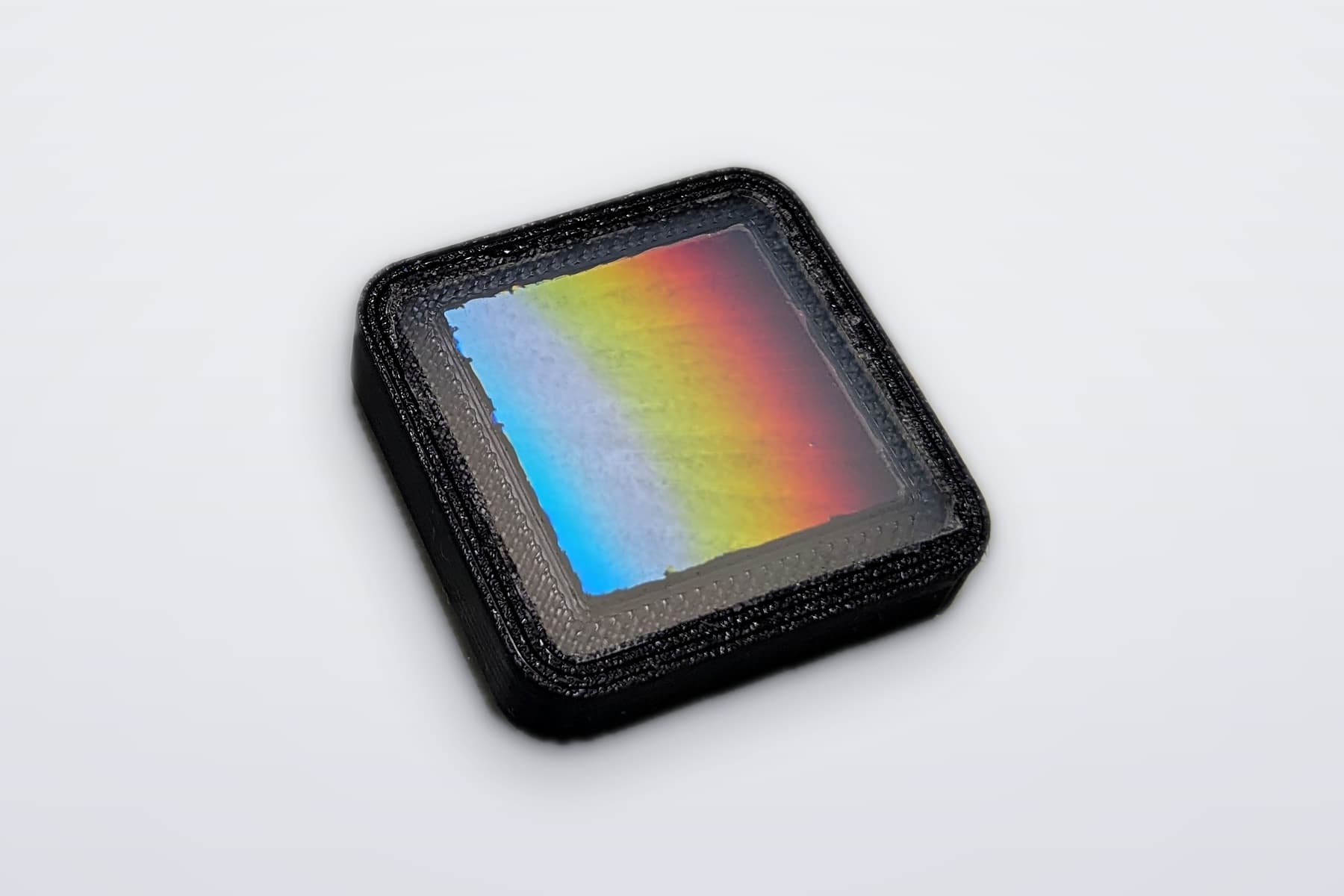
The team uses this method to fabricate nanostructures for the future NGS+ cell, a cell for massively parallel DNA sequencing that is currently in development. Neilos has already produced structures of the target shape smaller than 400 nm. The tool controls flatness, exposure, and pressure, the parameters that determine how accurately the stamp relief is reproduced.
What has changed
The main part of the upgrade is a new control board. Its microcontroller is more powerful than the previous one, which makes it possible to extend Neilos's functionality and make process control more convenient.
The new version supports wireless control via a web interface. Imprinting parameters can be set from a computer or another device on the local network. The tool's physical interface will be retained, and core functions, including starting the process, will remain available directly on the tool.
What comes next
The next step is an extended event log. It will record ambient conditions and process parameters: air temperature and humidity, power, and applied pressure. This will make it possible to correlate the result of each imprint with the conditions under which it was made, and to use the accumulated data to further optimize the technology.
The temporary laboratory allows the team to keep the current process running while preparing the equipment and software for the move to the new laboratory.