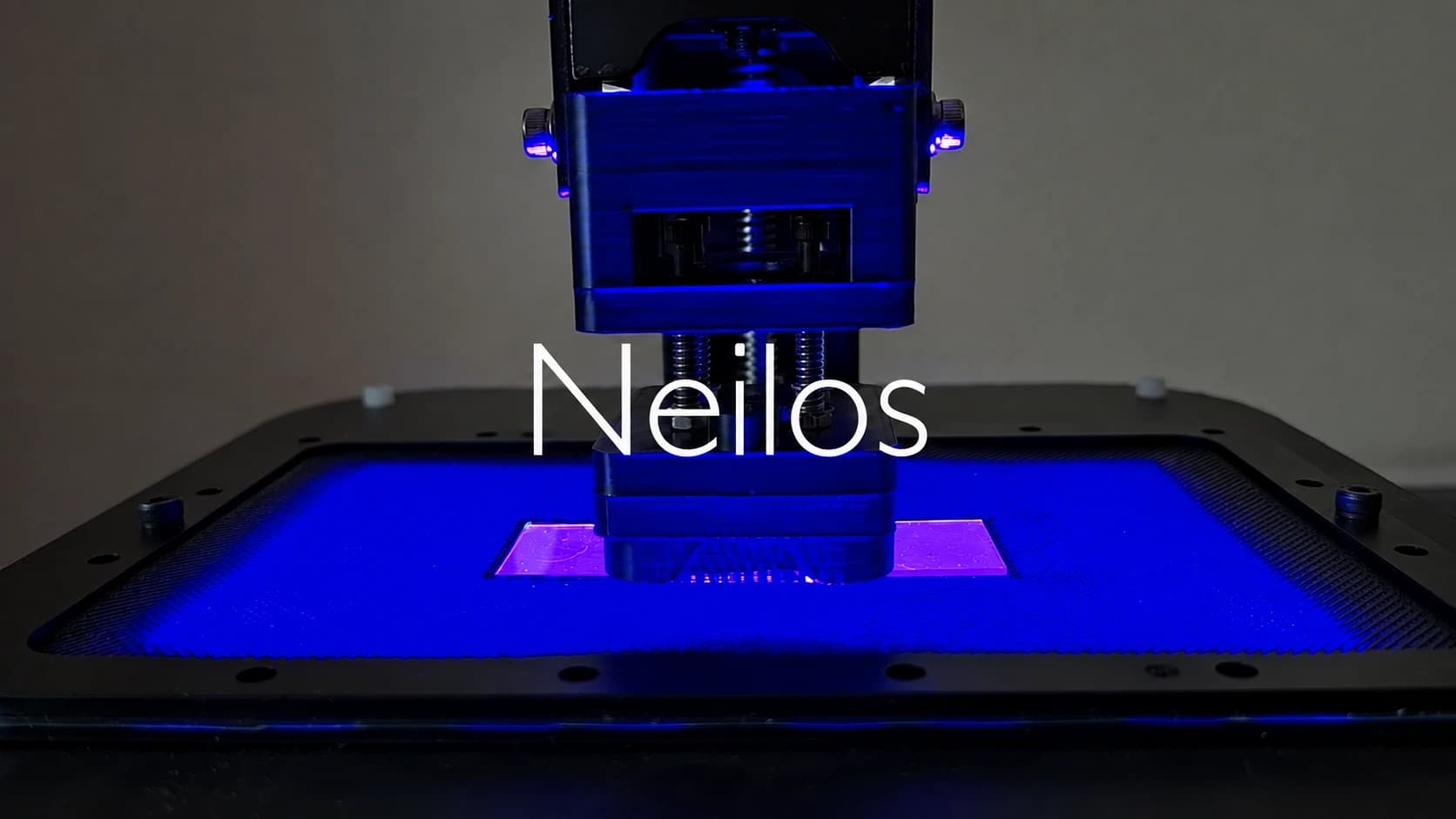
Already built
Diffractive optical elements
Diffractive optical elements designed and fabricated based on the team’s patented solutions.

Today, a sample for genomic analysis is sent to a specialized laboratory where it is prepared and examined. The result takes time.
Our goal is to make genomic analysis simpler: place a sample in a compact cell and get the result within minutes, wherever it is needed.


Predictive genomics and pharmacogenomics require large and diverse sets of genetic data linked to real-world data on health and treatment outcomes.
NG² / Next Generation Genomics is a concept for the next stage of genomics, in which obtaining genomic data becomes widespread, accessible and routine rather than a procedure tied to centralized laboratories.

Measuring blood glucose once required a specialized test. Today it can be done at home with a compact device.
We want genomic analysis to follow a similar path — from a complex laboratory procedure to a tool that can be used routinely.
An integrated cell for DNA sequencing
NGS+ is a next-generation massively parallel sequencing cell. It combines sample preparation and analysis on a single chip, reducing the amount of reagents used and shortening measurement time.
The solution is built on four key technologies:
Preparation of genetic material and handling of reagents inside the cell.
Controlling light and enhancing the optical signal during sample analysis.
Replicating micro- and nanostructures for the components of the future cell.
Extracting information from the optical signal using a physical model of the system.
NGS+ development builds on substantial technology groundwork and the team’s experience.
Already built
Diffractive optical elements designed and fabricated based on the team’s patented solutions.
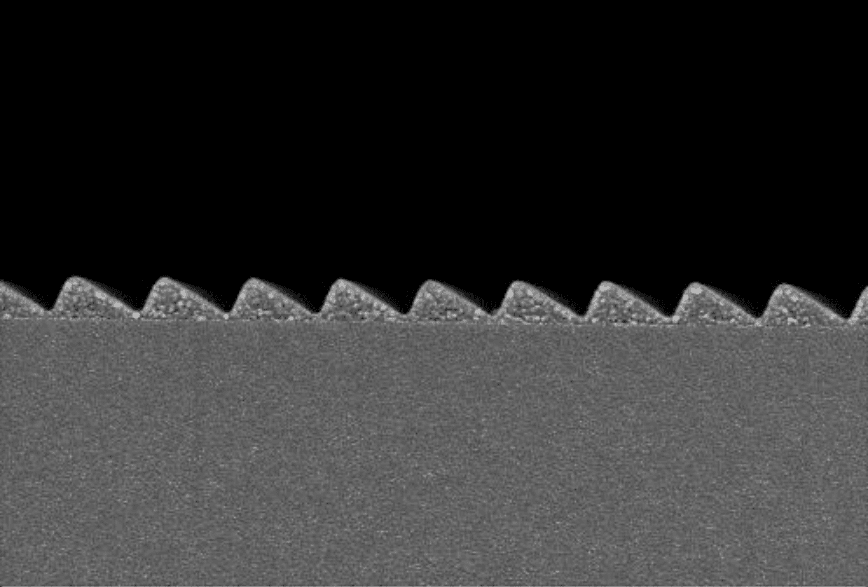

Nanofluidic elements pre-process the genetic material and handle reagents inside the cell.
Nanophotonic elements control light and enable readout of the optical signal during DNA analysis.
NGS+ brings the key stages together in a single cell — from sample preparation to genomic data.
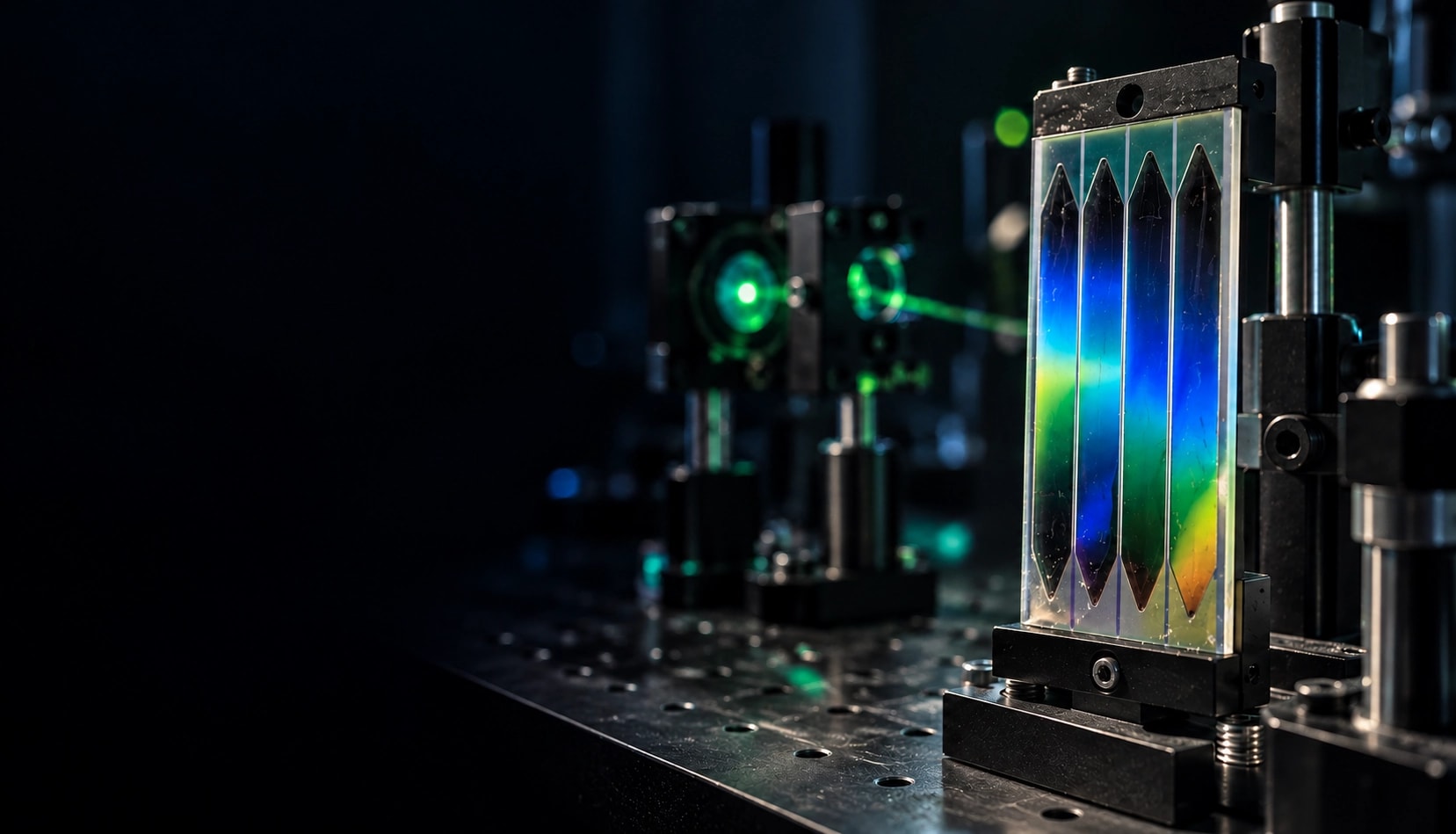
Nanophotonics made AR devices lighter, more compact and more efficient.
The Photonica.tech team was part of this technological transformation: our specialists worked on advanced photonic technologies and helped create next-generation solutions that are used in commercial devices today.
We are bringing our experience in building advanced nanophotonic technologies to genomics — to change the way genomic analysis is done.

In AR, nanophotonics controls light to form an image.
In NG², the same principles are used to work with the optical signal in DNA analysis.
Photonica.tech brings together experience in building complex technology products and conducting cutting-edge scientific research.

PhD, CEO
Arseniy Alekseev is a scientist turned entrepreneur and one of the pioneers of using diffractive optics and optical metamaterials for augmented reality. From 2019 to 2023 he led nanophotonics technology development at WaveOptics and Snap Inc., and headed the creation and launch of a nanofab for volume production of augmented reality displays for AR Spectacles.

PhD, CTO
Evgeniy Alekseev is a world-class scientist who has spent more than 15 years researching optical effects in nanoscale structures. He led the photonics and Raman spectroscopy laboratories at the Cambridge Graphene Centre, University of Cambridge. He is the author of a number of breakthrough discoveries in the fabrication and measurement of two-dimensional heterostructures, published in Nature, Science Advances and other journals.
Photonica.tech is open to dialogue with technology and commercial partners, research organizations and investors.
We are especially interested in working with companies and research teams in genomics, reagents for DNA analysis, and micro- and nanofluidic technologies.