BIOPROM is one of the key platforms in the bioeconomy and is held with the support of the Russian Ministry of Industry and Trade. The forum hosts a startup competition in four tracks: biotechnology, pharmaceuticals and medicine, eco-technologies, and technologies for the food industry and agriculture. Over four years, more than 80 projects have taken part. Participants receive exhibition space, pitch to an expert jury, and meet representatives of venture funds, industrial companies, and research centers.
What we will show
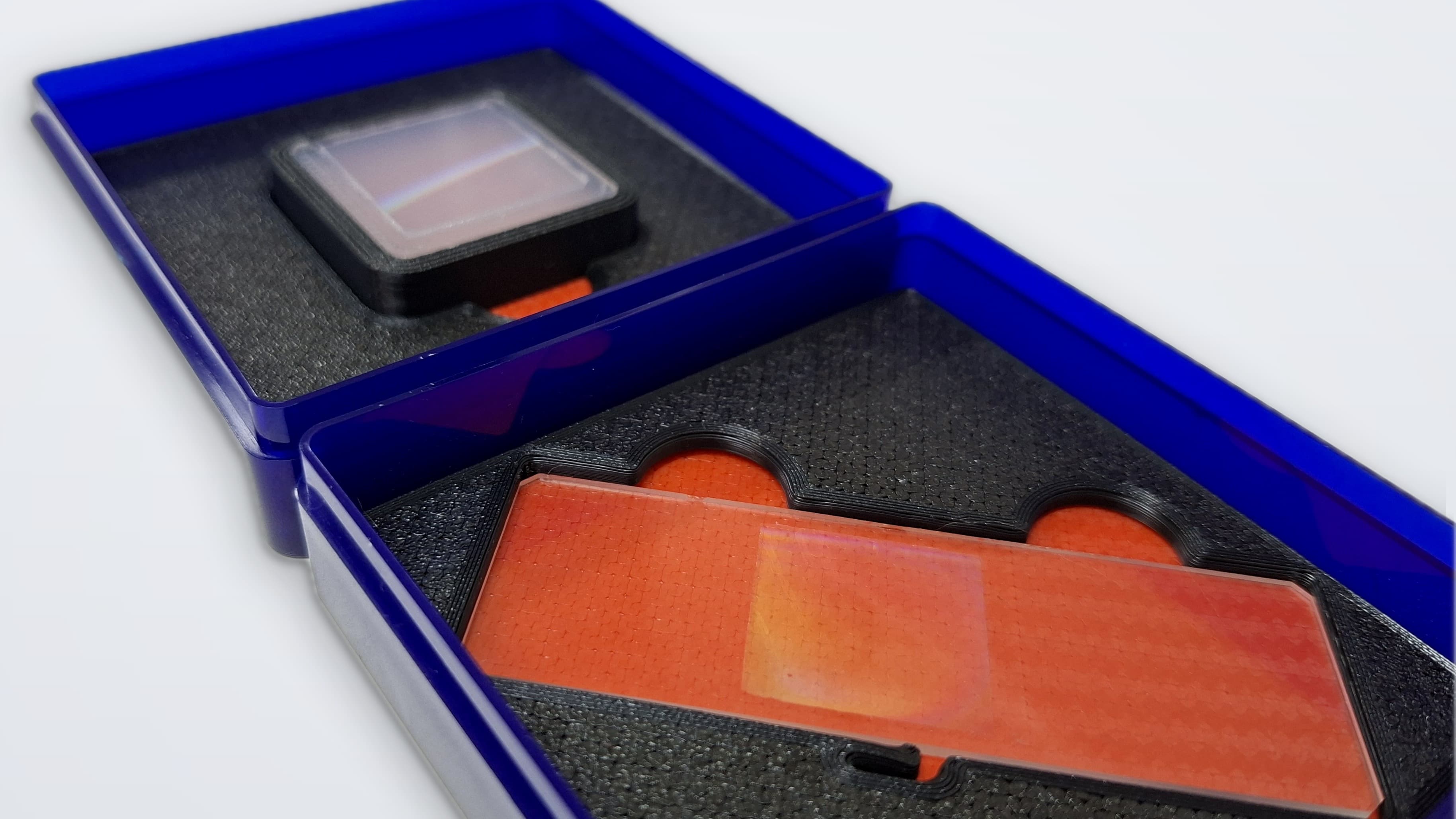
The Photonica.tech booth will feature nanostructure samples and prototype reaction cells with a periodic array of nanowells, which visitors can examine under a microscope. Such cells are used for massively parallel DNA sequencing (NGS, Next Generation Sequencing): an ordered nanowell array gives each DNA fragment a fixed position on the cell surface, so light signals from neighboring fragments do not overlap.
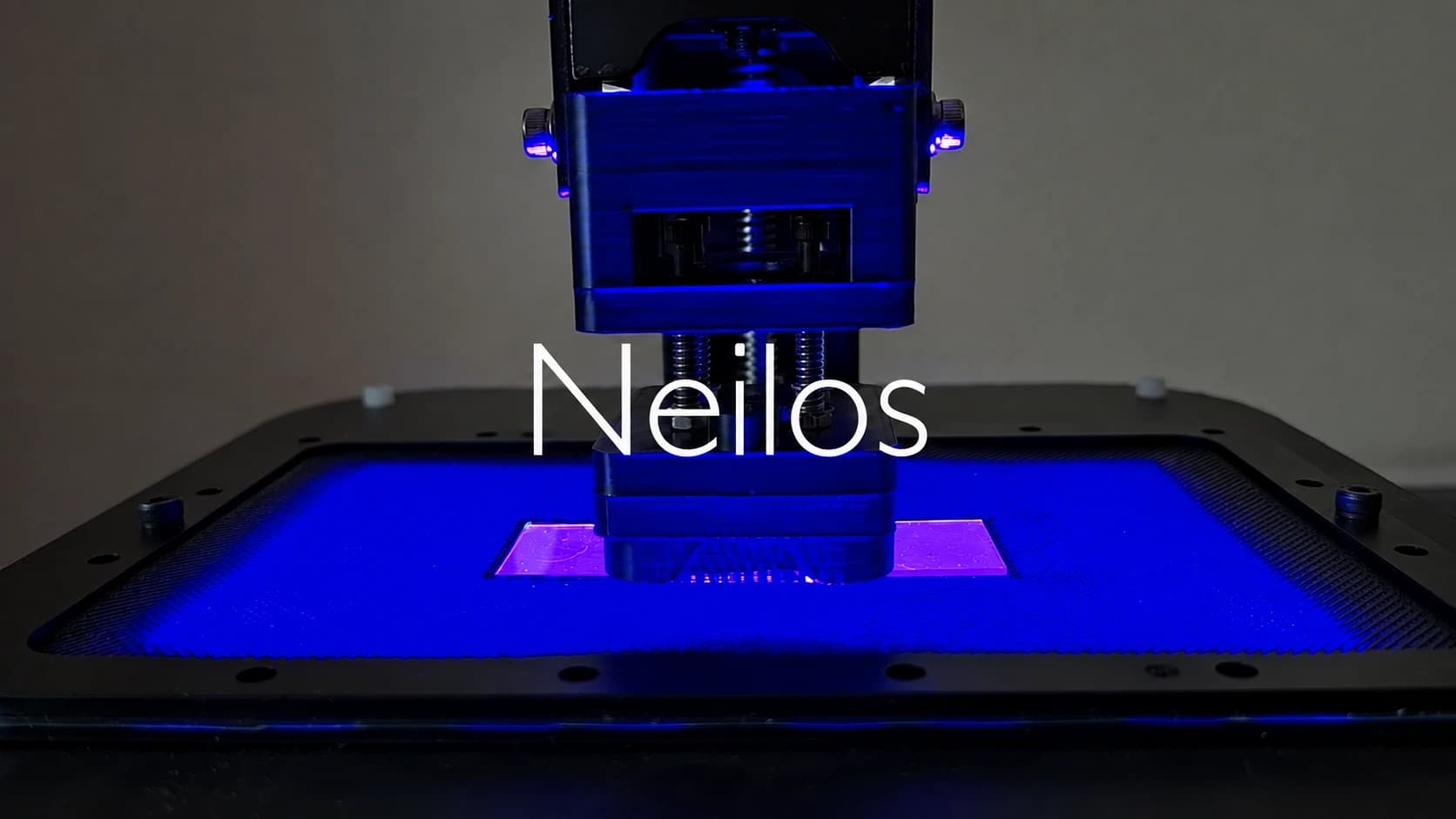
The samples are made by nanoimprint lithography (NIL), a technology that replicates complex micro- and nanostructures over large areas in a single step. To do this, the team built its own Neilos tool and developed process flows that yield structures of the target shape smaller than 400 nm. A video at the booth will show the tool in operation.
Pitch session
At the pitch session, we will explain why genetic analysis is still locked inside the laboratory and how nanophotonics can change that. Most sequencers read DNA using light, which requires a large and expensive optical system. Photonic nanostructures control light without bulky lenses: this is how nanophotonics has already made augmented reality glasses light and compact, and the Photonica.tech team took part in that work. We are now bringing this experience to genomics. The NGS+ cell, currently in development, is designed to combine sample preparation and analysis on a single chip. It is built on nanofluidics, nanophotonics, nanoimprint lithography, and computational microscopy.
“We want to show that the NG² concept is backed by a real technological groundwork: our own nanoimprint lithography tool, established process flows, and the first prototype reaction cells. BIOPROM is a good opportunity to discuss this work with people engaged in applied genomics.”
What's next
At the forum, we look forward to meeting companies and research teams working in genomics, reagents for DNA analysis, and micro- and nanofluidic technologies. We will share the results of the competition after the forum.