A programme for those designing the future
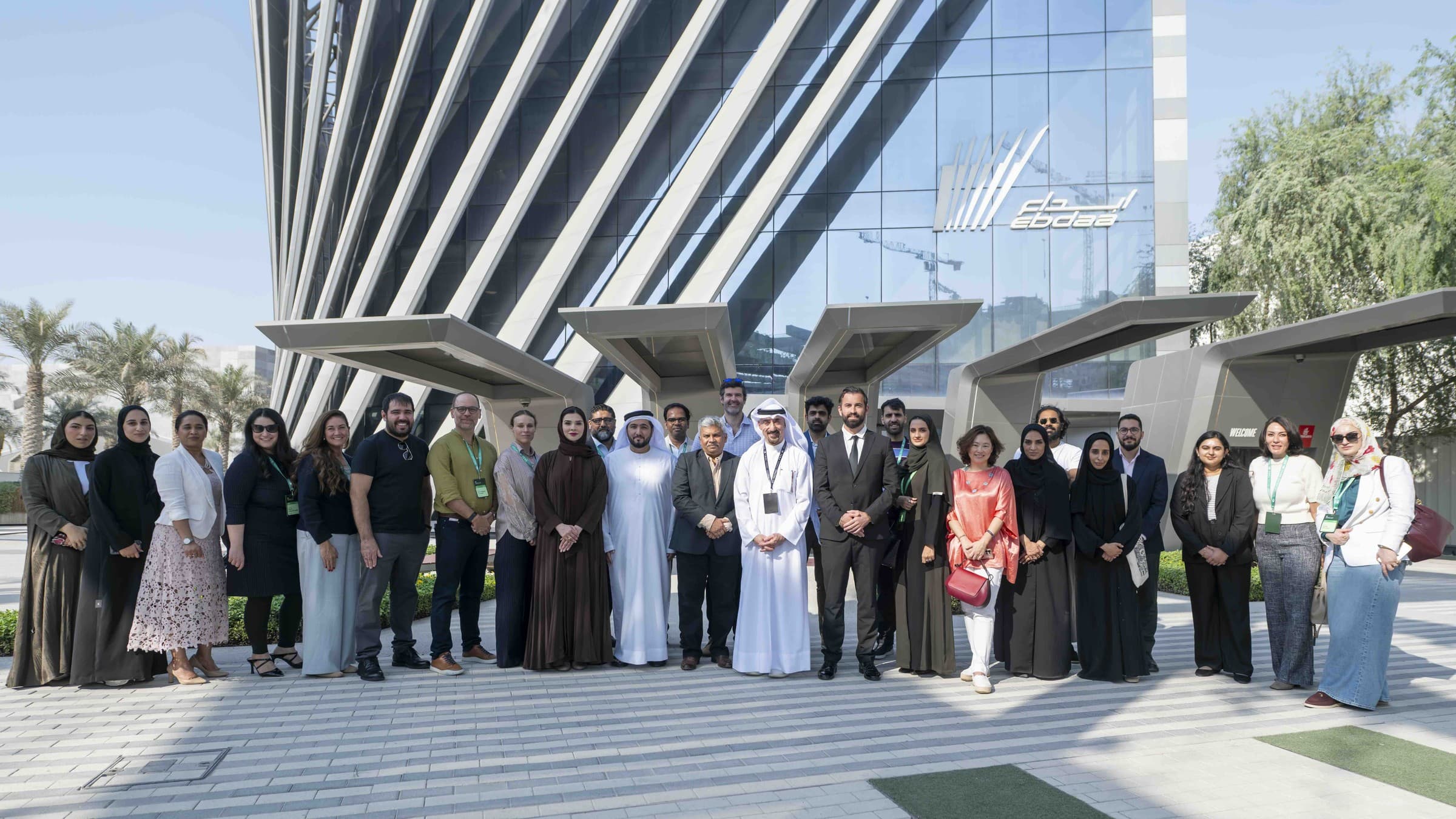
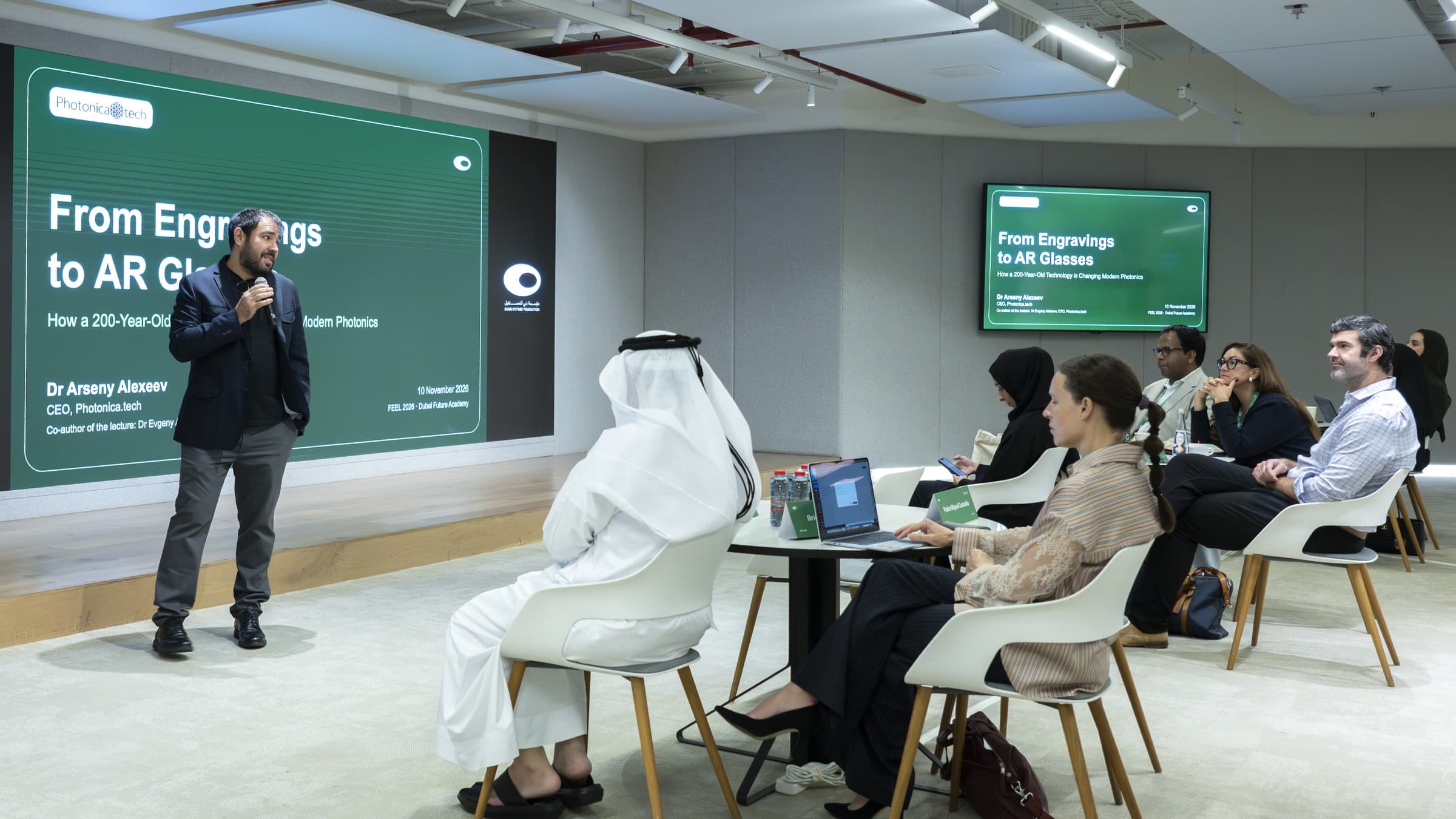
FEEL: A Disruptive Futures Programme is a three-week programme run by the Dubai Future Foundation and its Dubai Future Academy. It brings business leaders, entrepreneurs, and government officials from different countries to Dubai. Participants go through a selection process, attend lectures by invited experts, and visit laboratories across the Emirates.
A 200-year-old way of printing
Electronic chips are approaching their physical limits, and light is gradually taking over the work of electrons. But photonic devices need nanostructures far thinner than a human hair, and they only become products once such structures can be manufactured at scale.
There is a way to do this, and its principle is more than two hundred years old: in lithography, invented in 1796, a single master produces thousands of prints. Nanoimprint lithography (NIL) works the same way, only at the nanometre scale: a stamp is pressed into a layer of liquid polymer, the polymer is cured with ultraviolet light, and the stamp is used again. This is how the optics are made that turned bulky augmented reality headsets into ordinary-looking glasses. The Photonica.tech team took part in developing these technologies.
Biotechnology: the next frontier
A separate focus of the lecture was biotechnology. A modern sequencer reads DNA much like a camera: fragments are fixed in a flow cell, tagged with fluorescent labels, and imaged simultaneously. In the latest-generation cells, tens of billions of nanowells about 300 nanometres across fit on a palm-sized part, and these cells are made by nanoimprint.
The instrument that reads the cell, however, has remained large and complex, which is why sequencers sit in centralized laboratories. The next step is the same as with glasses: replace bulky optics with nanophotonic structures directly on the chip.
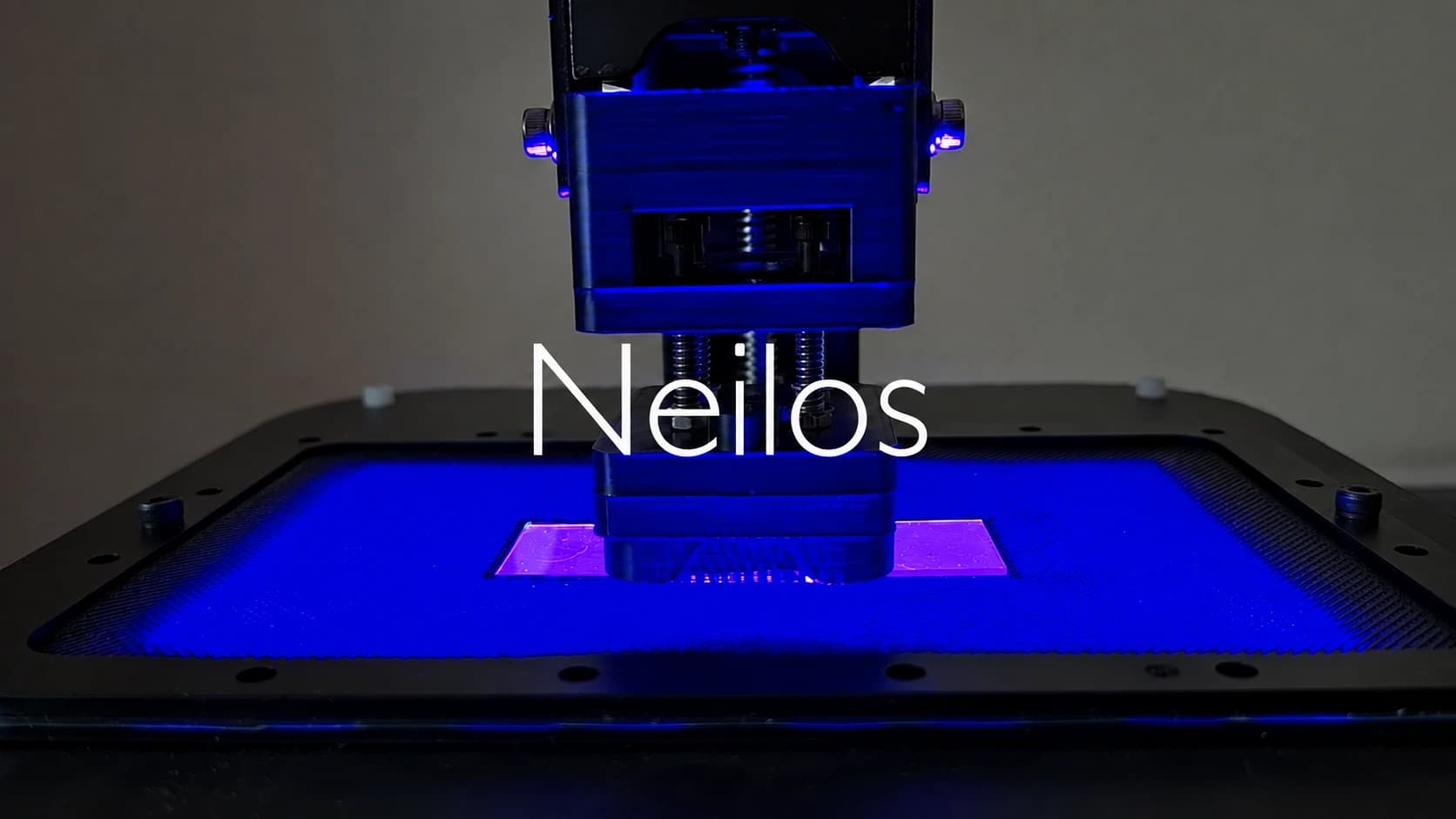
This is the challenge Photonica.tech is working on: the NGS+ cell, currently in development, is designed to combine sample preparation and analysis on a single chip. To manufacture it, the team built its own Neilos tool and has already produced structures of the target shape smaller than 400 nanometres.
What's next
After the lecture, Arseniy Alekseev answered questions and showed the audience prototypes of a floating display, whose image hangs in mid-air, and of augmented reality displays. Their optical elements are made precisely by nanoimprint. On November 20, he will speak in Dubai again, presenting at a symposium held as part of Dubai Future Week.
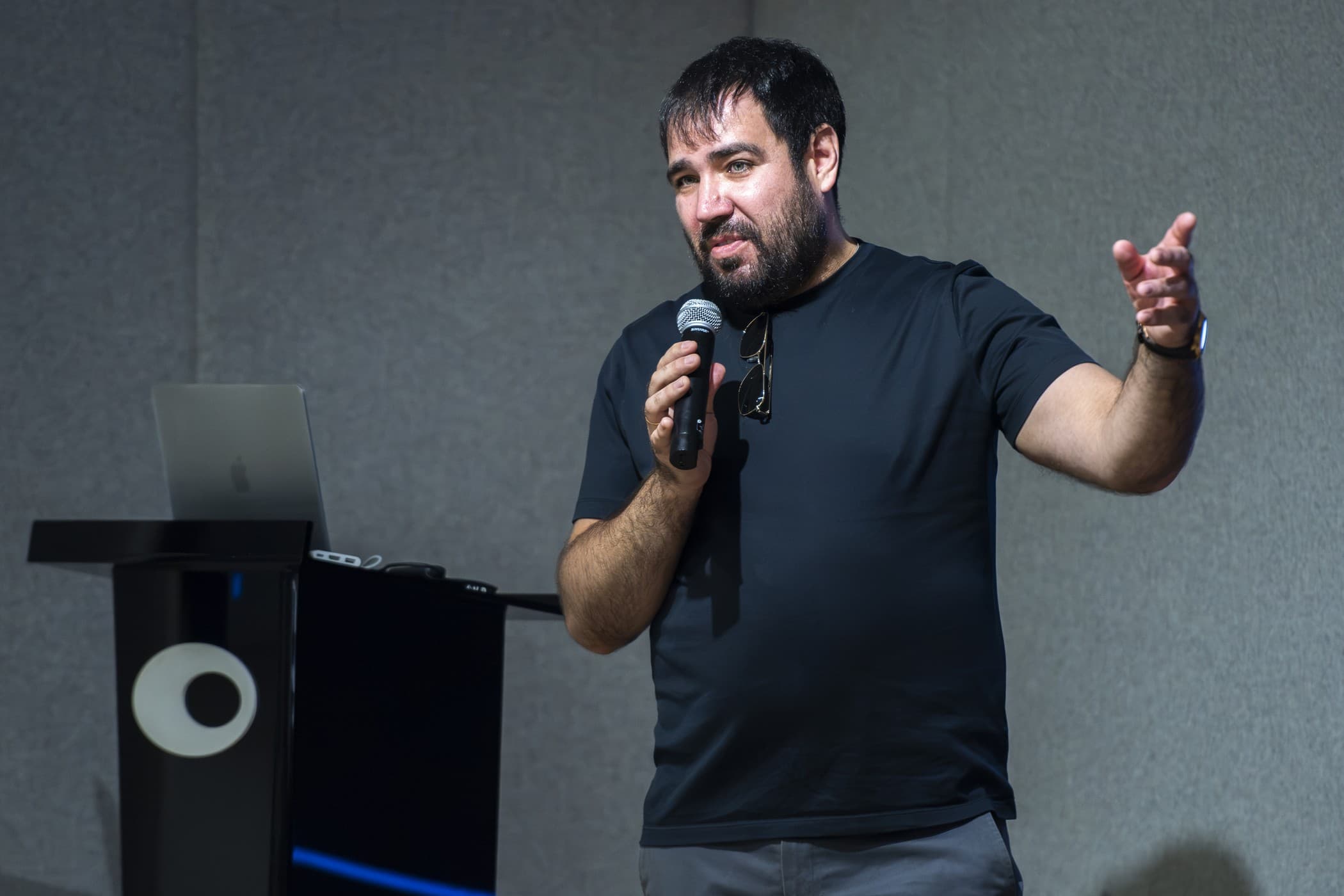
Photos: Dubai Future Foundation